.png)
Ensuring Pilot Safety: The Importance of LPC and OPC Simulator Checks Every Six Months

Updated: Apr 24

Every pilot knows that flying demands constant vigilance, skill, and up-to-date knowledge. To maintain the highest safety standards, pilots must renew their licenses and complete recurrent training regularly. One critical part of this process is the LPC (License Proficiency Check) and OPC (Operator Proficiency Check), which often take place every six months using flight simulators. These checks are essential for ensuring pilots remain sharp, competent, and ready to handle any situation in the cockpit.
What Are LPC and OPC Simulator Checks?
LPC and OPC are formal evaluations designed to assess a pilot’s ability to operate an aircraft safely and according to regulations. The LPC focuses on verifying that a pilot meets the licensing authority’s standards, while the OPC assesses a pilot’s proficiency in the specific airline or operator’s procedures.
Both checks use advanced flight simulators that replicate real flying conditions, including emergencies, weather challenges, and system failures. These simulators provide a safe environment for pilots to demonstrate their skills without risking lives or equipment.
Why Are These Checks Required Every Six Months?
Aviation is a dynamic field where technology, regulations, and operational procedures evolve rapidly. Regular checks every six months serve several important purposes:
Maintain Skill Levels
Flying skills can degrade without practice. Six-month intervals ensure pilots keep their flying techniques sharp and current.
Update on Procedures
Airlines and regulatory bodies often update procedures. Frequent checks guarantee pilots are familiar with the latest protocols.
Test Emergency Responses
Simulators allow pilots to practice handling rare but critical emergencies, improving their readiness.
Ensure Regulatory Compliance
Aviation authorities mandate these checks to uphold safety standards and reduce accident risks.
How Simulator Checks Improve Pilot Performance
Simulator checks are more than just tests. They are valuable training tools that help pilots improve in several ways:
Realistic Scenario Training
Simulators recreate complex scenarios such as engine failures, severe turbulence, or system malfunctions. Pilots practice responses that would be too dangerous to attempt in real life.
Feedback and Coaching
After each session, instructors provide detailed feedback, highlighting strengths and areas for improvement.
Building Confidence
Regular exposure to challenging situations builds confidence, reducing hesitation during actual flights.
Team Coordination
Checks often involve crew resource management exercises, improving communication and teamwork in the cockpit.
What Happens During an LPC or OPC Simulator Check?
The process typically includes:
Pre-briefing
Pilots review the objectives and procedures for the session.
Simulator Session
Pilots fly through a series of normal and abnormal scenarios. The session tests technical flying skills, decision-making, and adherence to procedures.
Debriefing
Instructors discuss performance, pointing out successes and areas needing attention.
Certification or Remediation
If pilots meet standards, they receive certification for another six months. If not, they undergo additional training before re-assessment.
Examples of Simulator Scenarios
Engine Failure on Takeoff
Pilots practice handling sudden engine loss during critical phases of flight.
Severe Weather Navigation
Simulators create storms or wind shear conditions to test pilot responses.
System Malfunctions
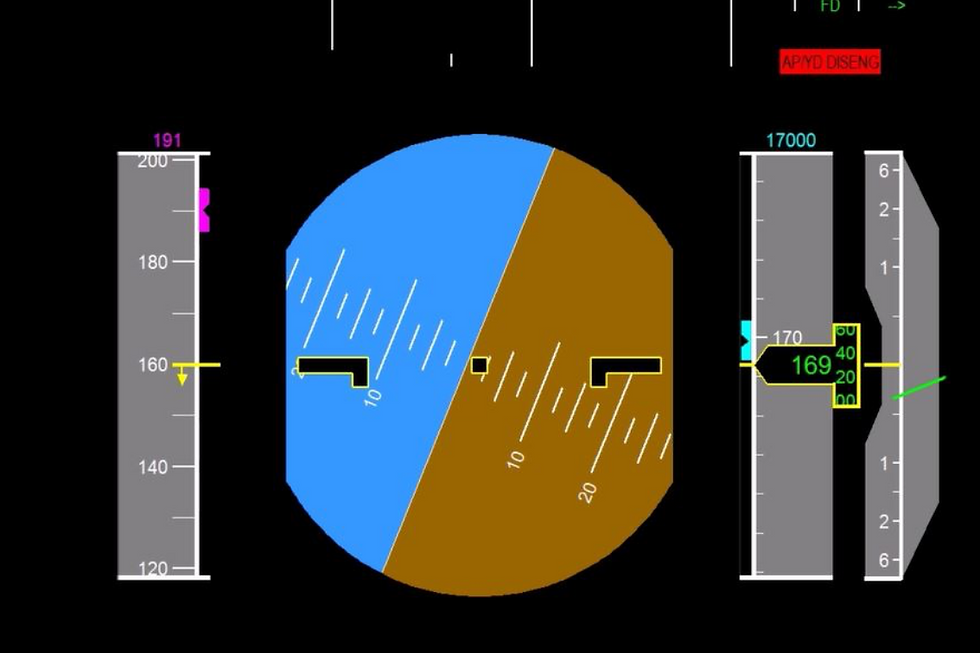
Scenarios include electrical failures, autopilot disengagement, or hydraulic issues.
Emergency Landings
Pilots rehearse forced landings and evacuation procedures.
These examples show how simulator checks prepare pilots for situations they might rarely encounter but must be ready to manage flawlessly.
Benefits for Airlines and Passengers
Regular LPC and OPC checks benefit not only pilots but also airlines and passengers:
Reduced Accident Risk
Well-trained pilots are less likely to make errors that lead to accidents.
Improved Operational Efficiency
Pilots familiar with procedures reduce delays and improve flight smoothness.
Passenger Confidence
Knowing pilots undergo frequent checks reassures travelers about their safety.
Regulatory Approval
Airlines that maintain rigorous training programs meet international safety standards, allowing them to operate globally.
Challenges and Considerations
While simulator checks are vital, they come with challenges:
Cost and Time
Simulator sessions require investment in equipment and pilot time, which airlines must balance with operational demands.
Simulator Limitations
Although highly realistic, simulators cannot replicate every aspect of real flight, such as physical sensations.
Stress and Performance
Some pilots may experience stress during checks, which can affect performance. Training programs often include support to manage this.
Despite these challenges, the benefits of regular LPC and OPC checks far outweigh the drawbacks.
How Pilots Can Prepare for Their Simulator Checks
Pilots can take several steps to ensure success during their six-month checks:
Review Manuals and Procedures
Staying current with airline and regulatory updates is essential.
Practice Flight Maneuvers
Using flight training devices or simulators outside official checks helps maintain skills.
Stay Physically and Mentally Fit
Good health and rest improve focus and reaction times.
Engage in Crew Resource Management Training
Effective communication and teamwork are critical during checks.
Seek Feedback
Learning from previous checks helps address weaknesses.
The Future of LPC and OPC Simulator Checks
Advances in technology continue to improve simulator realism and training effectiveness. Virtual reality and artificial intelligence may soon enhance scenario complexity and personalized feedback. These innovations will further strengthen pilot preparedness and safety.

Summary
LPC and OPC simulator checks every six months are essential for maintaining pilot proficiency, updating knowledge, and ensuring safety. These checks provide realistic training, test emergency responses, and support regulatory compliance. Airlines, pilots, and passengers all benefit from the rigorous standards these checks uphold. Pilots who prepare well and embrace these evaluations contribute to safer skies for everyone.


Comments