.png)
Automation Dependency in Aviation: The Evolving Risk of Loss of Control In-Flight

Aviation safety today stands at an all-time high, with commercial air travel safer than ever before. Despite this success, the global pilot community faces a critical challenge: the risk of losing fundamental flying skills due to increasing reliance on automation. While modern technology has reduced mechanical failures drastically, it has introduced a new vulnerability—automation dependency. This dependency can lead to a dangerous situation known as Loss of Control In-Flight (LOC-I), which remains the leading cause of fatal commercial accidents worldwide.
Understanding this evolving risk is essential for pilots, trainers, and aviation enthusiasts alike. This article explores how automation has changed the cockpit environment, the legacy of warnings from experienced pilots, and the ongoing battle to maintain core flying skills in an automated age.
How Automation Changed the Flight Deck
Over the past three decades, aircraft technology has evolved from basic autopilots to sophisticated fly-by-wire systems with extensive flight-envelope protections. These systems can prevent pilots from exceeding safe flight parameters, reducing accidents caused by mechanical failures or pilot error.
However, this safety comes with a trade-off. As autopilots manage most flight phases, pilots spend less time manually flying the aircraft. This shift leads to a gradual decline in "stick-and-rudder" skills—the hands-on flying abilities essential for controlling the plane without automation.
The irony is clear: technology designed to protect us can also create a false sense of security. When automation behaves unexpectedly, pilots may focus on troubleshooting the system rather than flying the aircraft. This reaction can cause crews to fall behind the airplane, increasing the risk of LOC-I.
The Legacy of the "Children of the Magenta Line"
The conversation about automation dependency is not new. In 1996, American Airlines Captain Warren VanderBurgh delivered a training presentation titled Children of the Magenta Line. He warned that pilots were becoming overly reliant on automated flight management systems, fixated on the magenta lines displayed on their electronic flight instruments.
VanderBurgh’s message remains relevant today: automation is a tool to assist pilots, not a replacement for their skills. When pilots treat automation as infallible, they risk losing situational awareness and the ability to respond effectively to unexpected situations.
For example, in several high-profile accidents, pilots struggled to regain control after automation failures or unusual flight conditions. These incidents highlight the importance of maintaining manual flying proficiency and understanding automation limits.

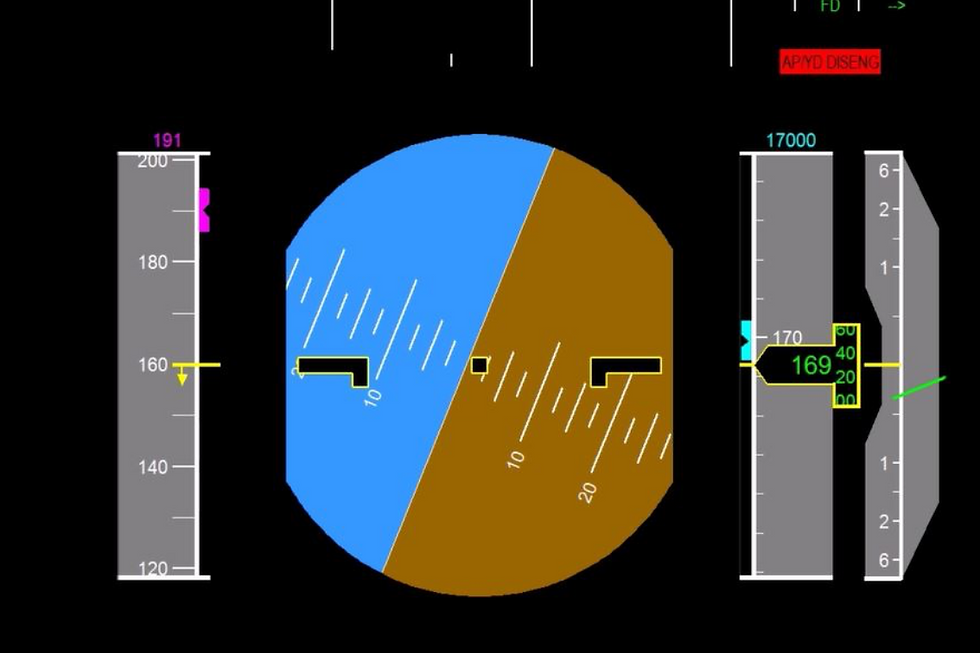
Modern aircraft cockpit showing flight instruments and autopilot controls, illustrating the complexity of human-machine interaction.
The Growing Threat of Loss of Control In-Flight
Loss of Control In-Flight occurs when an aircraft unintentionally departs from its safe flight envelope, often leading to catastrophic outcomes. Thirty years ago, the primary causes of fatal accidents were controlled flight into terrain (CFIT) and mechanical failures. Today, these causes have declined sharply thanks to improved technology and training.
Instead, LOC-I now accounts for approximately 70% of fatal commercial accidents worldwide. This shift reflects the challenges pilots face in managing complex automated systems and responding to unexpected anomalies.
While the overall accident rate has dropped, the nature of risks has shifted. Pilots must now focus on maintaining manual flying skills and managing automation effectively to prevent LOC-I.
Practical Steps to Combat Automation Dependency
Addressing automation dependency requires a combination of training, awareness, and operational changes. Here are some practical approaches:
Regular Manual Flying Practice
Pilots should practice hand-flying during all phases of flight when safe and feasible. This keeps their fundamental skills sharp and builds confidence in manual control.
Scenario-Based Training
Simulators can recreate automation failures and unusual flight conditions, helping pilots practice recovering from unexpected situations without relying on autopilot.
Automation Management Education
Training programs should emphasize understanding automation logic, limitations, and when to disengage it. Pilots need to recognize when automation is not performing as expected.
Crew Resource Management (CRM)
Effective communication and teamwork help flight crews monitor automation status and support each other in maintaining situational awareness.
Continuous Monitoring of Flight Parameters
Pilots should avoid becoming fixated on automation displays alone and maintain a broader awareness of aircraft behavior and environment.
Looking Ahead: Balancing Technology and Skill
The aviation industry must continue to innovate while preserving the core skills that keep flights safe. Automation will remain a vital part of modern cockpits, but it cannot replace the pilot’s role as the ultimate decision-maker and controller.
By acknowledging the risks of automation dependency and investing in training that reinforces manual flying skills, the aviation community can reduce the risk of LOC-I and keep air travel safe for everyone.


Comments